Advancing the Standards of Functional Polymers


Masterbatches
Masterbatches to help enhance biodegradation in
biologically active aerobic
and anaerobic environments
such as soil, landfill and marine. These masterbatches
can be used in traditional polymers as well as with bio-
based polymers. Masterbatches can also be custom
engineered to meet your sustainability requirements
Biodegradation Enhancing
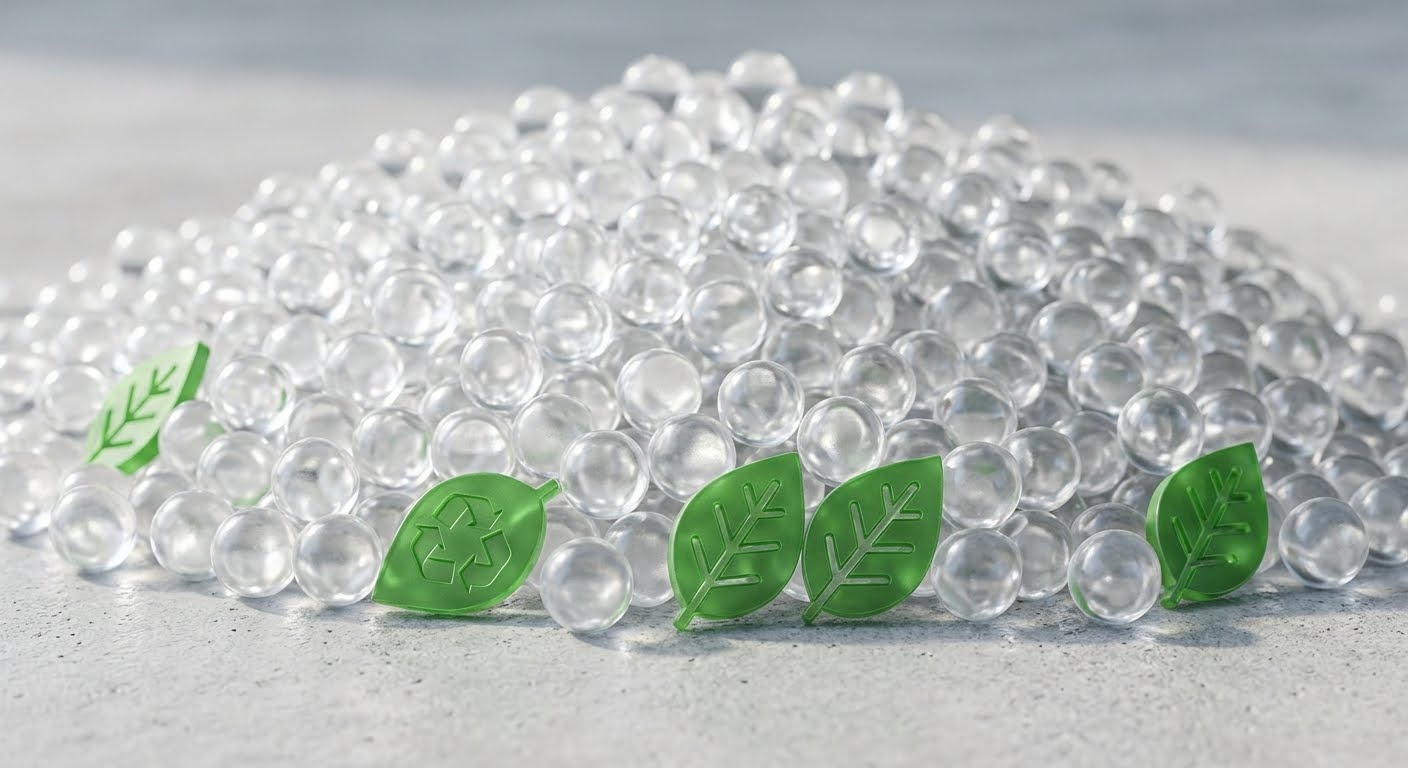

Reducing Waste
As plastic consumption continues to increase
annually so does plastic waste pollution and
its impact on the environment. BioPro Global
strives to increase awareness of environmentally
friendly solutions for more sustainable products.
Contact us to see how we can help you achieve
your green goals.
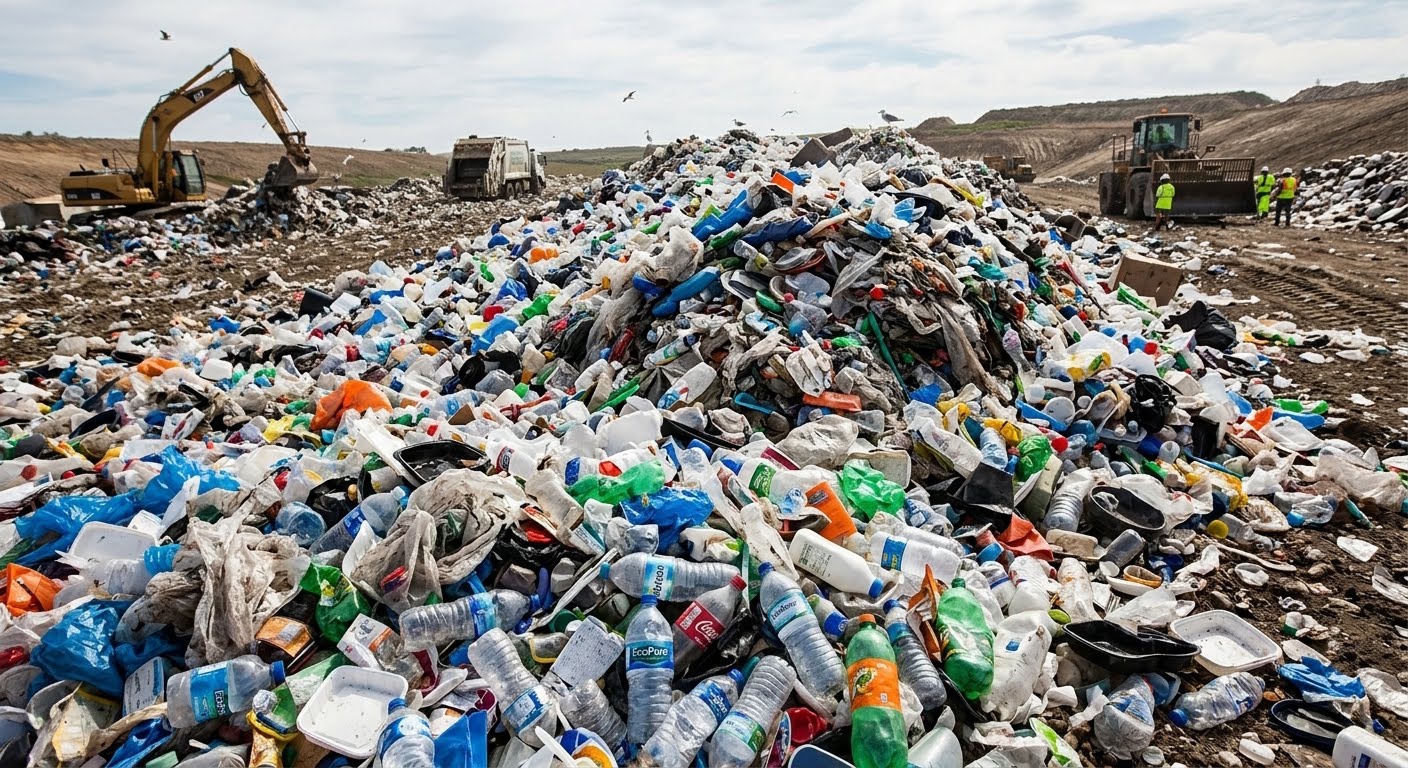
Environmental Pollution

Oil & Gas Industry
Nexora™ Biobased LCM and Diverter
is designed for use in the production and completion
sides of the Oil & Gas industries. Products can be
custom engineered to meet customer specific
operational and reservoir requirements
Biobased LCM

What Happens to Plastic Waste Globally
Our Mission
At BioPro Global, our mission is to drive systemic change by replacing linear plastic consumption with circular solutions wherever possible. As global plastic demand continues to rise year after year—despite widespread efforts to reduce consumption—we address the waste crisis through a multi-tiered approach. We champion renewable, bio-based alternatives that decouple production from fossil fuels, design materials for high-value recyclability, and offer regulatory-compliant masterbatches that accelerate microbial breakdown when exposed to biologically active end-of-life environments.
By keeping valuable resources in motion during a product’s useful life and providing predictable, data-verified pathways for recovery, BioPro Global aims to further reduce pollution and build a more resilient circular economy.
Plastics
46% to 50% of all generated plastic waste globally ends up in managed landfills. The rest is incinerated (19%), successfully recycled (9%), or mismanaged/littered (22%).
Styrofoam
Styrofoam Cups are 5% plastic and 95% air, which makes them light but bulky, and therefore unattractive to recycle. Americans throw away billions of them each year.
Diapers
Disposable diapers are the 3rd largest item in the municipal waste stream. It takes approximately 286 pounds of plastic to produce enough diapers for one baby for a year.
PVC Material
Over 280 million pounds of toxic PVC plastic from financial payment cards enters the global waste stream each year.
Plastic Produced Annually by Type (metric tonnes)
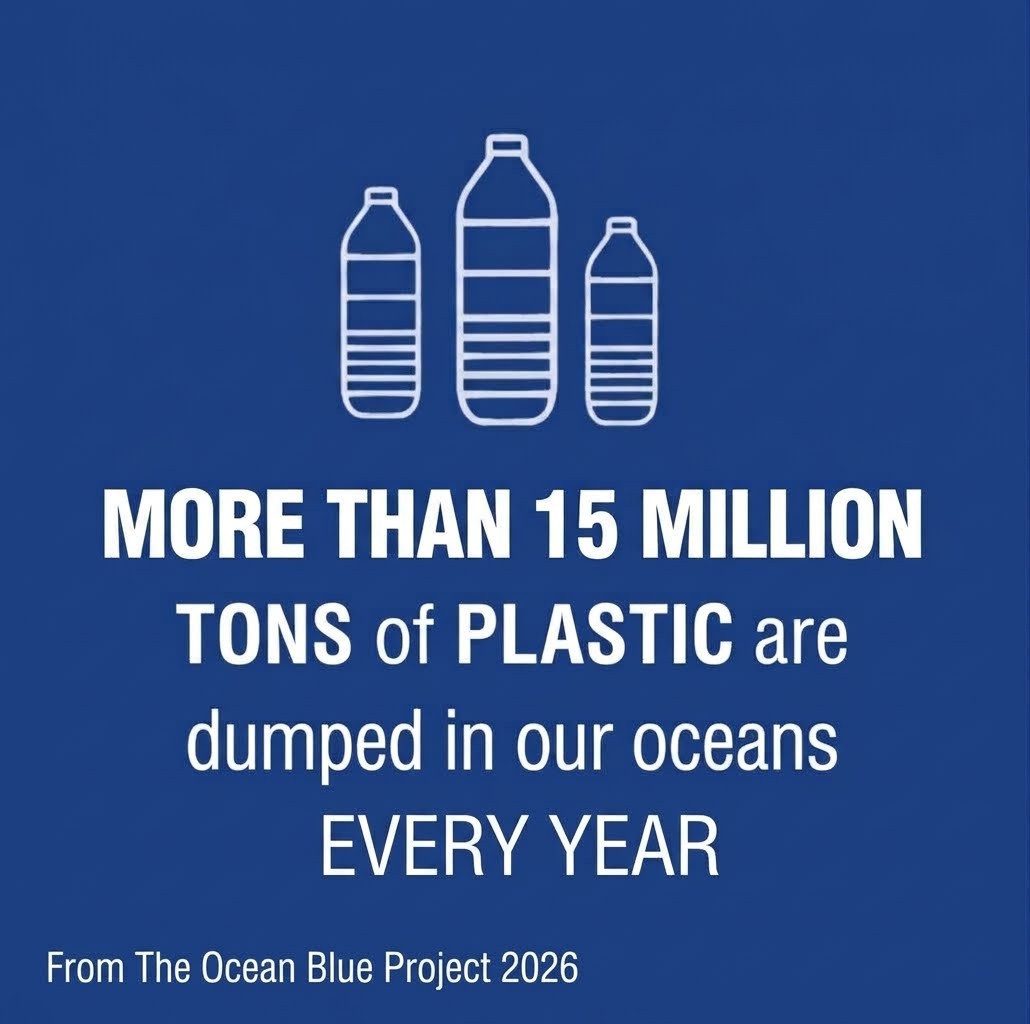
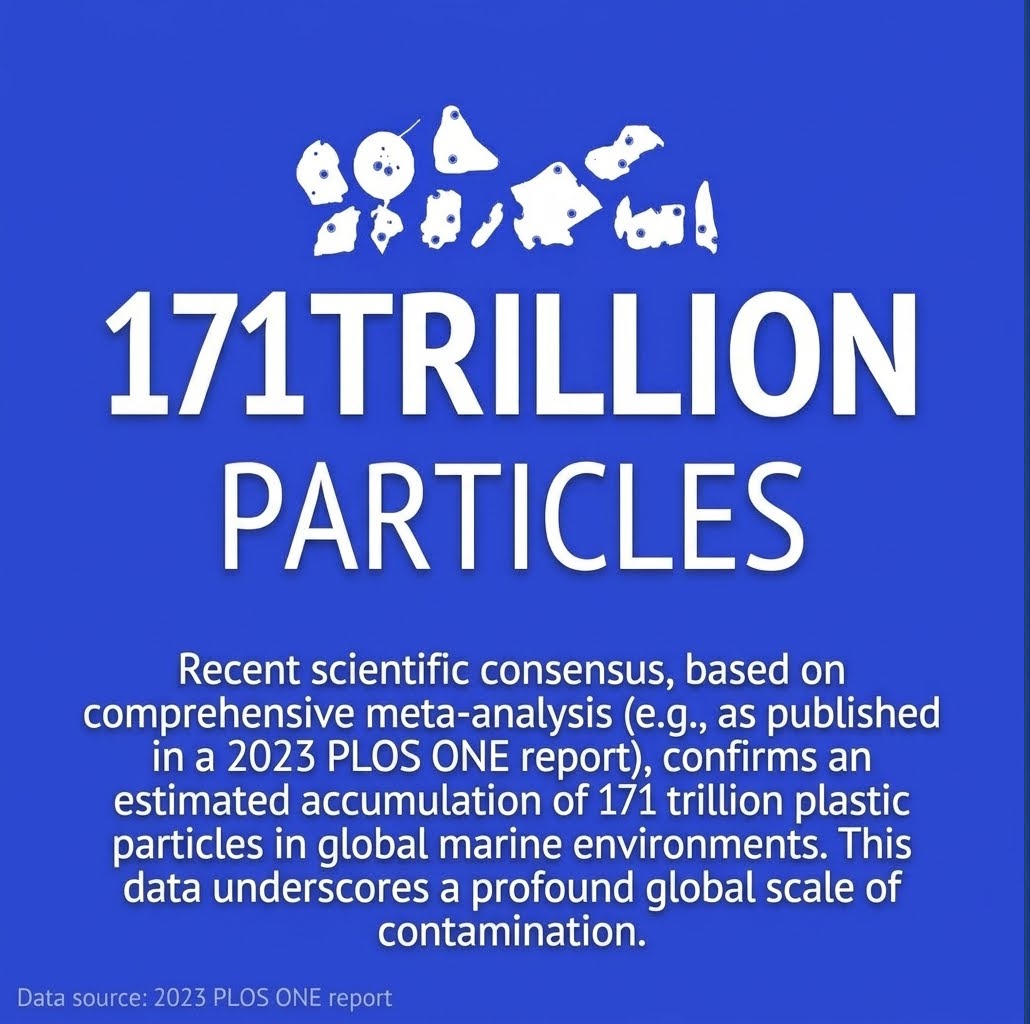
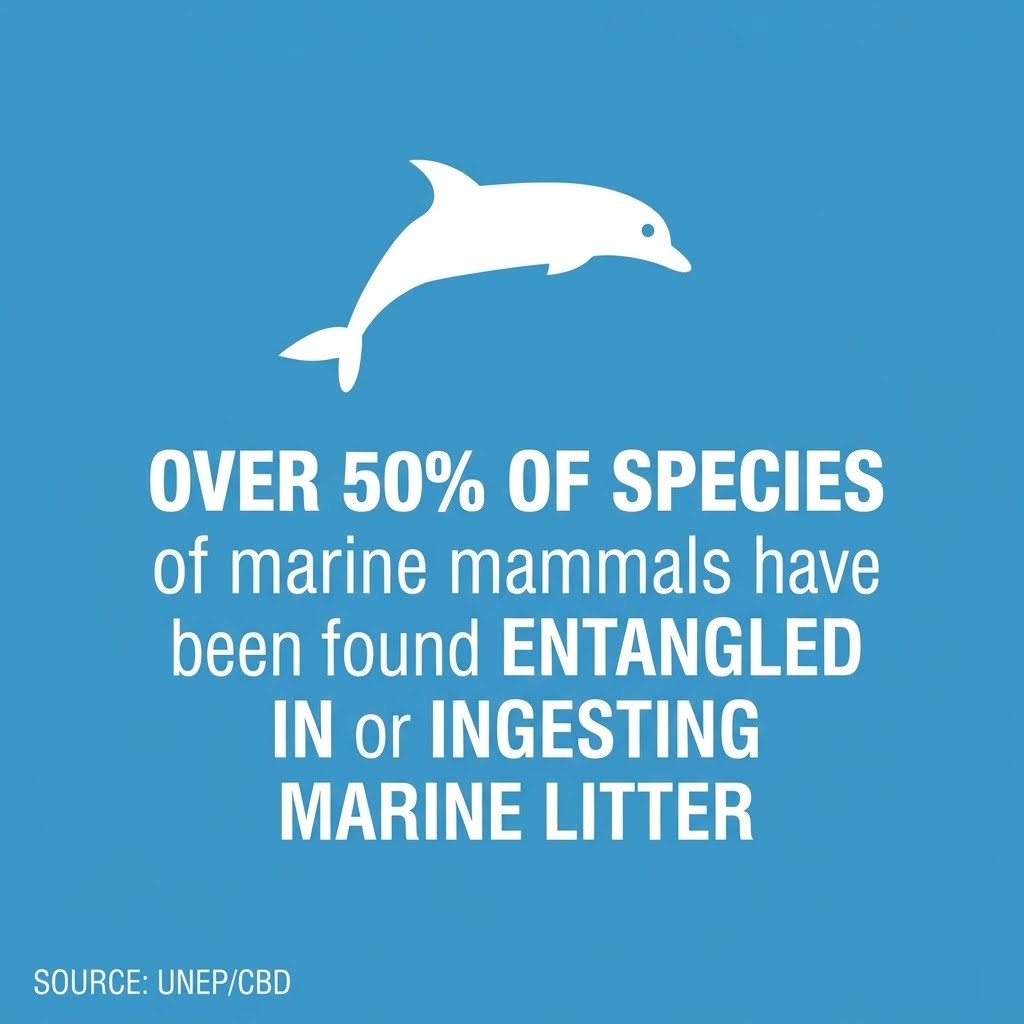
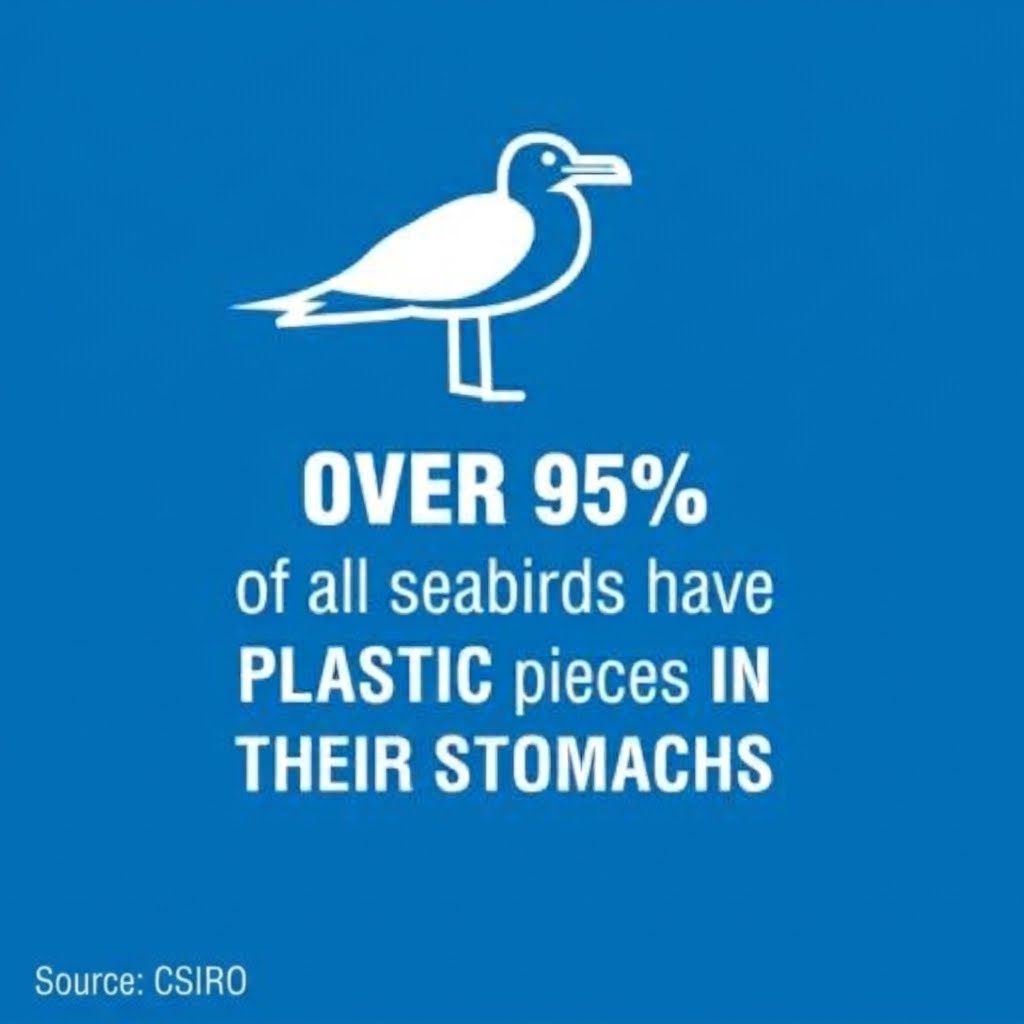
Ocean Plastics
* Disclaimer: Biodegradation metrics for plastic materials enhanced with EcoPure® masterbatches are determined strictly according to standardized laboratory test methods (including applicable ASTM and ISO protocols) specific to controlled, biologically active waste environments. Actual real-world biodegradation outcomes[or behavior] vary significantly based on the structural characteristics characteristics of the finished product, material thickness, mass configuration, and localized environmental variables including microbial population density, solid content, temperature, and moisture levels.
In accordance with international advertising and environmental marketing standards, product performance claims must be confined strictly to the exact numerical results achieved within the specific test duration and shall not be used to substantiate unqualified “biodegradable” or “eco-friendly” claims. Testing documentation must explicitly disclose the net percentage of gaseous carbon evolution achieved by both the test sample and the control reference sample at the formal conclusion of the test. Data shall not be extrapolated, projected, or modeled beyond the actual, completed timeline of the laboratory test.
California: (Public Resources Code § 42357): California completely prohibits selling any plastic product or packaging labeled with the terms “biodegradable,” “degradable,” or “decomposable.” It bars any text, imagery, or scientific references—including specific ASTM or ISO test numbers—that imply the item will break down in a landfill or any other environment when directed at consumers. This applies to all sales within or into the state, including internet sales.
Maryland: (Environmental Code § 9-2101): Maryland completely bans express or implied degradation language on plastic products or packaging sold into the state. Citing laboratory test protocols to consumer audiences is restricted and treated as an illegal implied degradation claim.
Minnesota: (Minnesota Statutes § 325E.94): Minnesota bans the manufacture or sale of any plastic product labeled “biodegradable,” “degradable,” or “decomposable,” or relying on implied breakdown mechanisms, unless it meets an authorized, active state-approved standard for rapid environmental assimilation. Citing standard soil or landfill test protocols on consumer packaging does not bypass this ban.
Washington: (Revised Code of Washington § 70A.455): Washington restricts degradability claims on plastic products strictly to items that meet certified compostability standards (such as ASTM D6400 or D6868). All unqualified “biodegradable” claims and implied laboratory-test marketing on non-compostable plastics are prohibited on commercial consumer goods.